


brandihalloran
About brandihalloran
They Requested one hundred Consultants About Invest. One Reply Stood Out
 There is a version of the housing market story that gets told over and over, and it goes like this: prices are high, rates are high, nothing is affordable, and the only people buying are the ones with cash. That version is not wrong, exactly. It is just incomplete.
The arithmetic here is brutal and worth understanding clearly. A buyer who financed a $400,000 home at three percent in 2021 pays roughly $1,686 per month on principal and interest. That same loan at a seven percent rate costs $2,661. That gap of nearly a thousand dollars a month is why transaction volume has fallen to levels not seen in decades. Volume collapsed. Prices mostly did not.
 Affordability, by the standard measure of what share of median household income goes toward the monthly payment on a median-priced home, is near its worst level since the early 1980s. That is a real problem, and it is not going away quickly. That measure being at a historical extreme does not automatically produce a correction. What it means, practically, is that the pool of qualified buyers is smaller than it was three years ago.
 Shop multiple loan officers to compare rates and fees. A 0.25 percent gap between two lenders’ quotes adds up to real money that most buyers leave on the table by taking the first offer they receive. Lender fees vary too. Ask each lender for a Loan Estimate document, which breaks down all costs in a standardized format.
The appraisal is the lender’s check, not yours. If the home appraises below the contract price, the lender will only finance against the appraised value. Ask your agent what the local pattern looks like before you structure an offer without an appraisal contingency.
Budget between two and five percent depending on your loan type and the state you are buying in. First-time buyers often do not see the full closing cost picture until the Closing Disclosure arrives three days before settlement. Ask your lender for a Loan Estimate before you make any offers, so you can plan your cash position accurately.
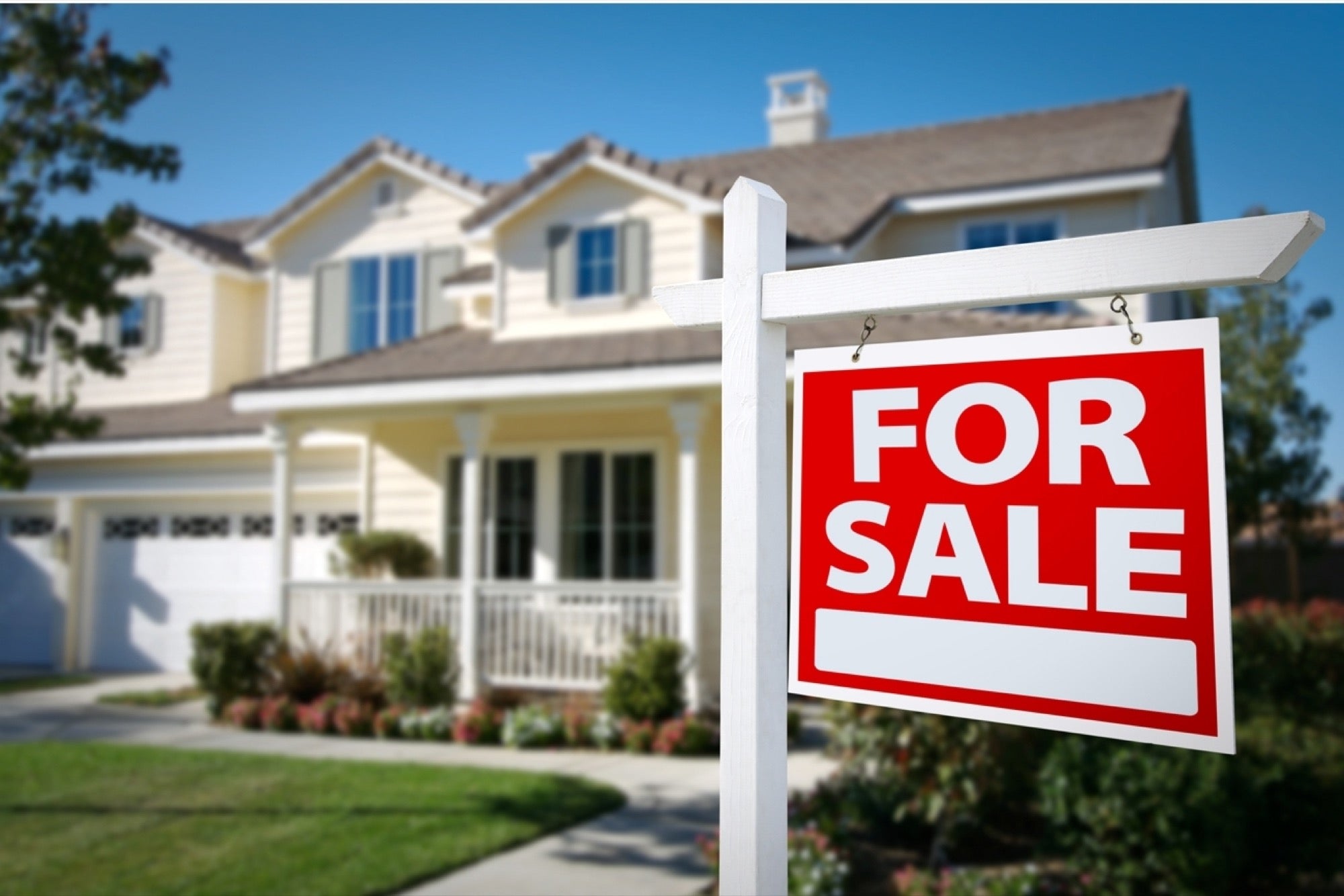 The timing question, whether to buy now or wait for a better moment, is the one that trips up more buyers than any other single factor. The record on market timing for owner-occupied housing is not encouraging. The more useful question is not whether now is the right time in the abstract; it is whether you are buying because the numbers make sense for you, not because you feel social pressure to own.
Real estate rewards preparation more than it rewards timing. The market does not wait for the ideal moment, and neither should buyers who have done the work. A look at real estate listings and pricing data in your target area costs nothing and tells you a great deal.
No listing found.